 Bloome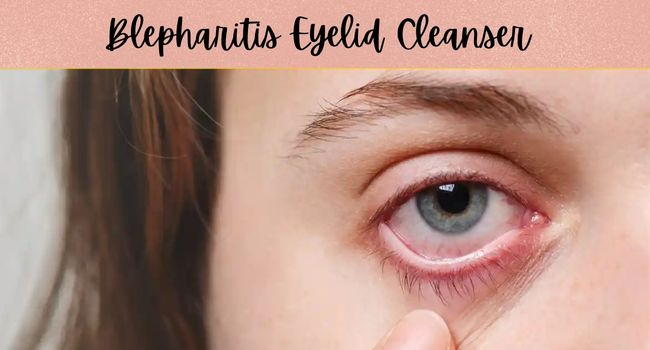
This guide breaks down what blepharitis actually is, how an eyelid solution supports eyelid hygiene, and how hypochlorous acid can be used as part of a gentle daily routine. If it feels itchy, crusty, or irritated most mornings, you’re not imagining it—and you’re not alone. Blepharitis is one of the most common eyelid complaints, and it tends to stick around when your daily routine skips the one area that needs consistent care: the lid margin.
What Is Blepharitis, in Plain Terms?
Blepharitis is inflammation along the edge of your eyelids, right where your lashes grow. It’s not contagious, but it can be persistent and frustrating.
Most people notice a mix of symptoms: itching, redness, flaking, a gritty feeling, or crusting at the lash base—especially when they wake up. It happens when bacteria, oil, and tiny mites called Demodex build up along the lid margin. This buildup creates a cycle of irritation that keeps coming back.
Here’s the key takeaway: blepharitis is often a hygiene challenge, not just a one-time problem. Managing it usually means keeping the lid margin clean on a regular basis, not just when symptoms flare.
What Does an Eyelid Solution Actually Do?
An eyelid cleanser targets the exact zone where trouble starts—the lash base and lid margin.
Regular face wash isn’t built for this area. The skin around your eyes is the thinnest on your body, and the lid margin sits just millimeters from your eye’s surface. That’s why a purpose-built solution matters.
A gentle eyelid solution can support daily eyelid hygiene by:
- Helping maintain a clean lid margin
- Supporting a balanced eyelid environment
- Helping calm the appearance of irritation and redness
- Supporting a simple, consistent eyelid-care routine
The goal isn’t a deep scrub. It’s gentle, consistent maintenance that breaks the cycle of buildup and irritation.
How Hypochlorous Acid Supports Eyelid Hygiene
Hypochlorous acid (HOCl) isn’t an invented lab ingredient. Your own white blood cells make it to fight infection and reduce inflammation. Bloome stabilizes that same molecule so you can apply it directly to your lids.
It helps reduce bacteria at the source
S. aureus and S. epidermidis are the main bacterial drivers of anterior blepharitis. HOCl at 0.05% helps clear both from the lid margin—without the resistance risk tied to long-term antibiotic use.
It helps lower Demodex load
Demodex mite density can be significantly elevated in people with blepharitis. HOCl can support gentle daily hygiene along the lash line and surrounding skin.
It helps calm inflammation
By reducing the bacterial and mite load, HOCl removes the trigger behind much of the irritation. Many users notice less swelling, crusting, and itching over time.
It supports meibomian gland function
Your meibomian glands produce the oil layer that keeps your tear film stable. When the lid margin stays clogged, these glands struggle—and dry eye symptoms can follow. Keeping the margin clean helps support healthier gland function, which is why many dry-eye-prone users add HOCl to their routine.
Why Bloome Lash + Lid Rescue Is Made for the Eye Area
Not every HOCl spray belongs near your eyes. Concentration and formulation both matter here.
Bloome Hypochlorous Acid Eyelid & Lash Solution is formulated at 0.05%—the concentration established in clinical literature as safe for daily use on closed eyelids. Here’s what sets it apart:
- Purpose-built for the periocular area, not a repurposed face spray
- Safe for daily use on closed lids, morning and evening
- Suitable for sensitive eyes and contact lens wearers
- Simple, clean ingredient list: hypochlorous acid, purified water, and pharmaceutical-grade sodium chloride
- 2.5× the volume of the leading 20ml brand, at a lower cost per milliliter
The formula is GMP certified and third-party tested with every batch, so you know what you’re putting near your eyes.
A common mistake to avoid: grabbing any general HOCl spray off the shelf and assuming it’s fine for your eyelids. Many are diluted, unstable, or not formulated for periocular use. Choose a solution specifically formulated for use around the eye area.
How to Use Bloome Lash + Lid Rescue: A Simple Step-by-Step Routine
The routine takes under a minute. Follow these steps consistently for the best results.
- Remove your contact lenses first. Always take lenses out before you apply. You can put them back in a few minutes later.
- Close your eyes gently. Keep your lids relaxed and closed—don’t squeeze. Forced closure can push solution into the eye and crease the delicate skin.
- Spray 1–2 times from 4–6 inches away. One or two sprays covers both lids. Aim slightly above the lid margin so the solution reaches the lash base.
- Let it air-dry—don’t rub. Rubbing spreads bacteria and mites back across the lid and cuts down contact time. Just let it dry naturally.
- Repeat morning and evening. Twice daily is ideal for active symptoms. Once daily works well for maintenance once things calm down.
- Replace your contact lenses after 3 minutes. Wait the full three minutes. The solution is safe for the ocular surface once dry, but that drying window matters.
Quick do’s and don’ts
- ✅ Do stay consistent—daily use is what breaks the buildup cycle.
- ✅ Do hold the bottle a full 4–6 inches away for even coverage.
- ❌ Don’t rub your lids after spraying.
- ❌ Don’t skip the 3-minute wait before reinserting lenses.
When to Check With an Eye Care Professional
An eyelid cleanser is a hygiene tool, not a diagnosis. If your symptoms are severe, worsening, or don’t improve with regular care, talk to an eye care professional. They can confirm what’s going on and guide your routine—many already recommend HOCl for lid hygiene, so it fits neatly alongside professional advice.
Keep Your Lids Clean, Calm, and Comfortable
Blepharitis management often includes consistent, gentle care of the lid margin—and hypochlorous acid can be part of that daily hygiene routine. It helps support eyelid hygiene. S. aureus and S. epidermidis are commonly associated with anterior blepharitis.
Your next steps are simple:
- Add a purpose-built eyelid solution to your morning and evening routine.
- Follow the six-step method above, exactly as written.
- Stick with it daily to keep buildup from returning.
Ready to give your eyelids the care they’ve been missing?
Try Bloome Lash + Lid Rescue and make clean, comfortable lids part of your daily routine.
Shop Lash + Lid Rescue →or visit bloome.com to learn more
