 Bloome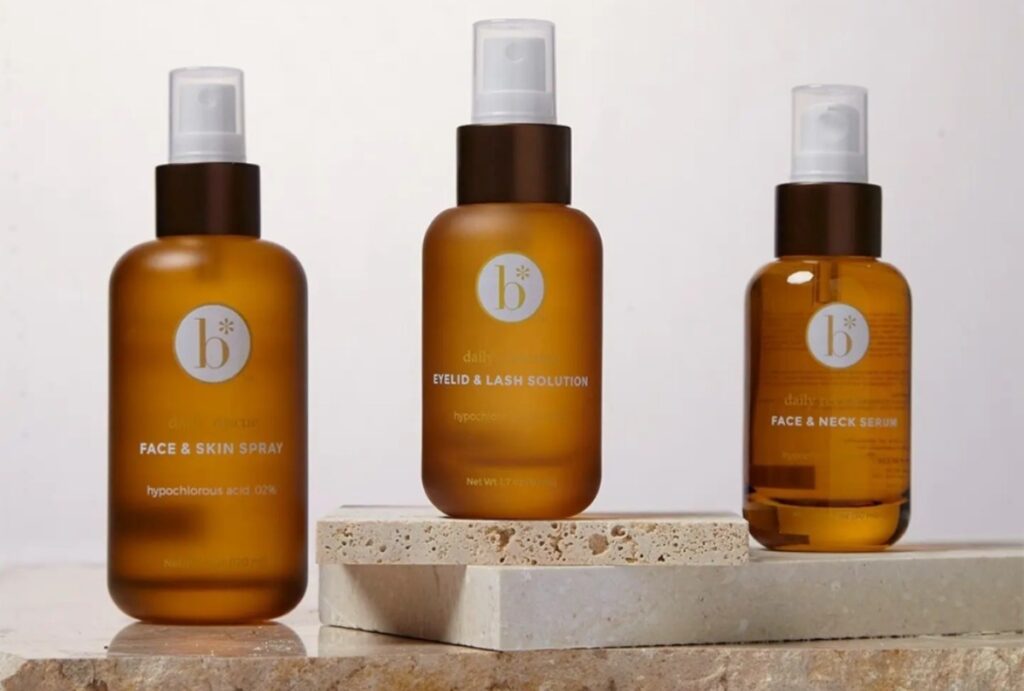
Hypochlorous acid (HOCl) is a naturally occurring molecule that your white blood cells already produce to fight bacteria and inflammation. Applied topically, it may help reduce bacteria, calm redness, and support the skin barrier without the dryness associated with some stronger acne treatments. Products like Bloome’s Skin Soothing Spray and Face & Neck Serum deliver stable HOCl formulas formulated at a skin-friendly pH for acne-prone skin.
Acne-prone skin is a balancing act. Treat it too aggressively with high-strength acids or harsh cleansers, and you strip the skin barrier, trigger more oil production, and end up worse off than before. Treat it too gently, and bacteria multiply unchecked. What most people with breakout-prone skin are really looking for is something effective that doesn’t tip that balance. Hypochlorous acid (HOCl) is gaining attention for doing exactly that.
It’s not a new discovery in medicine; dermatologists and wound care specialists have relied on HOCl for years. But its move into everyday skincare is relatively recent, and the science behind it is worth understanding before you spray it on your face.
What Is Hypochlorous Acid And Why Does Your Skin Already Know It?
Your body has been making hypochlorous acid your entire life. When your immune system detects harmful bacteria or pathogens, certain white blood cells produce HOCl as part of the body’s natural immune response. It plays an important role in the body’s natural defence against microbes.
Scientists can recreate this molecule outside the body through electrolysis: passing an electrical current through a simple solution of salt and water. The result is a hypochlorous acid solution that can be formulated for topical skincare use.
Despite sharing some base ingredients with bleach, hypochlorous acid is not bleach. Bleach is harsh, caustic, and damaging to living tissue. HOCl is a weak acid that, according to dermatologist Dr. Trevor Thompson, MD, of Banner Health, “acts as a powerful, naturally occurring disinfectant” that is “generally well tolerated” on skin.
How Does Hypochlorous Acid Help Acne-Prone Skin?
Does hypochlorous acid kill acne-causing bacteria?
Yes. HOCl may help reduce harmful bacteria on the skin’s surface while being gentle on the skin. HOCl targets pathogenic (harmful) bacteria on the skin’s surface, including strains linked to acne breakouts. Early research cited by Banner Health suggests it may work comparably to benzoyl peroxide in reducing the bacterial environment that allows acne to thrive—though it’s worth noting that benzoyl peroxide still has far more long-term clinical data behind it.
HOCl is generally considered gentle on skin and is designed to target microbes without the harshness associated with some traditional acne treatments. That makes it effective against the bad bacteria without wiping out the beneficial microorganisms your skin needs to stay balanced.
Can hypochlorous acid reduce acne-related inflammation?
Inflammation is a core driver of acne, especially the red, painful kind. HOCl may help calm inflammation, redness, and irritation associated with breakout-prone skin. According to Ulta’s skincare guide, this makes it particularly useful for reactive or sensitive skin types where other anti-acne ingredients often cause additional irritation.
Does hypochlorous acid support the skin barrier?
This is where HOCl really separates itself from more aggressive acne treatments. Rather than stripping the skin’s natural moisture barrier (a common side effect of benzoyl peroxide and salicylic acid), HOCl can help support a balanced skin environment without the dryness that some stronger acne treatments may cause.
What Makes Bloome’s Hypochlorous Acid Formula Different?
Not all HOCl products are created equal. Concentration, pH, and packaging stability all determine whether a formula actually delivers results and this is where Bloome stands out.
Bloome’s formulas are built around three principles:
- Higher Concentration: Bloome formulates its products with 0.05% hypochlorous acid in the Skin Soothing Spray and Face & Neck Serum.
- Gentle pH: Bloome’s Skin Soothing Spray and Face & Neck Serum are formulated at a pH of 5.7, aligned with the natural pH range of healthy skin. This matters because a formula that disrupts your skin’s natural pH can compromise the barrier it’s meant to support.
- Stable Hypochlorous Acid: HOCl degrades when exposed to light, air, and heat. Bloome uses metal-free packaging designed to help protect the formula’s stability and extend its usable shelf life.
Bloome offers three core products tailored to different skin needs:
- Bloome Skin Soothing Spray: A versatile full-face and body spray designed to soothe and refresh the skin. It can be used as part of a daily skincare routine or after workouts.
- Bloome Face & Neck Serum: A serum-format HOCl product for targeted application on the face and neck. The serum format makes it easy to incorporate into an existing skincare routine.
- Bloome Eyelid & Lash Solution: A 0.02% formula designed specifically for the delicate eyelid and lash area.
All three products are backed by Bloome’s 30-day satisfaction guarantee.
How to Add Hypochlorous Acid to Your Skincare Routine for Acne-Prone Skin
One of the practical advantages of HOCl is how easily it fits into an existing routine. It doesn’t require a complete overhaul.
A simple approach:
- Cleanse your face with a gentle, non-stripping cleanser
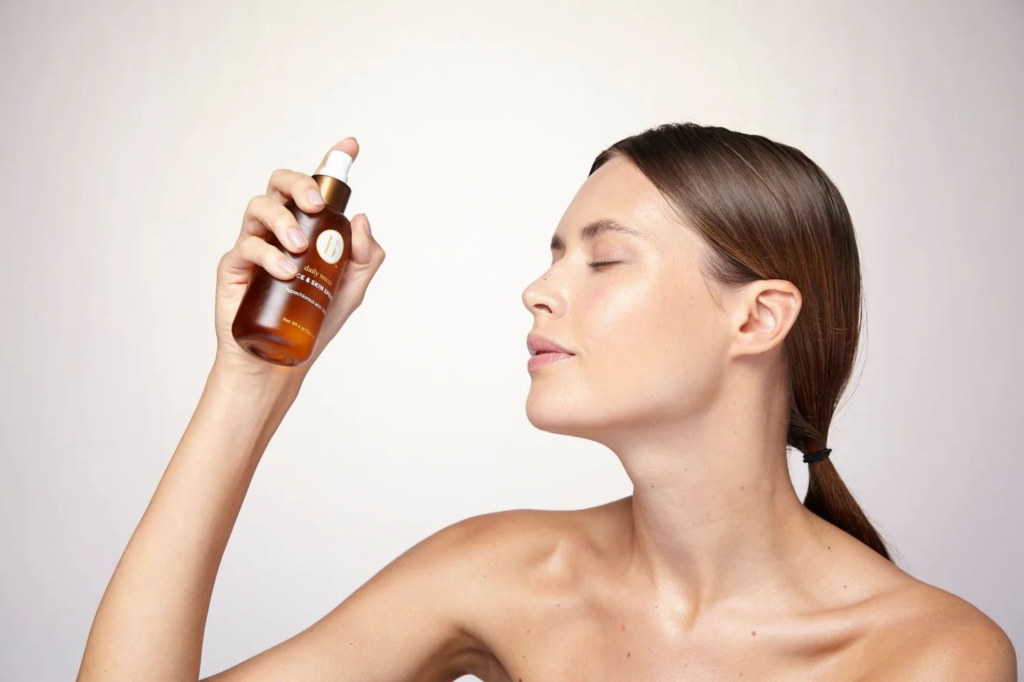
- Spray or apply your Bloome HOCl product evenly across the skin
- Air dry fully—do not rinse off
- Layer your remaining products: serum, moisturiser, SPF (morning) or retinoid (evening)
If your routine includes Vitamin C or other active ingredients, follow the product directions and consider using them at separate times if needed. HOCl can generally be incorporated into a routine with other skincare products, but introduce new combinations gradually and follow the directions for each product.
HOCl is also useful beyond the twice-daily routine. Misting after a workout, after wearing a face mask, or following a skin treatment can all help prevent bacteria from triggering new breakouts.
Is Hypochlorous Acid Safe for Daily Use on Acne-Prone Skin?
For most people, HOCl is generally well tolerated and can be used daily when formulated and used as directed. As with any skincare product, individual reactions can vary, so discontinue use if irritation occurs.
That said, concentration matters. Products formulated for facial use (like Bloome’s 0.05% spray and serum) are designed for skin application. Higher-concentration HOCl products intended for surface disinfection should not be used on the face.
A note of caution: if you have a known chlorine sensitivity, open wounds, or a serious skin infection, consult a dermatologist before adding HOCl to your routine. HOCl is a support tool, not a substitute for professional treatment when conditions are severe.
HOCl and Acne-Prone Skin: The Honest Picture
Hypochlorous acid is not a standalone cure for acne. If you’re dealing with hormonal breakouts, cystic acne, or a persistent skin condition, you’ll likely need additional targeted treatments, and a dermatologist’s input is worth seeking.
What HOCl may offer is a gentle, science-supported way to help reduce bacteria and calm irritation while supporting the skin barrier. For acne-prone skin types that struggle with the dryness and irritation caused by stronger actives, that combination is genuinely useful.
Bloome’s formulas are designed to deliver this without compromising stability, skin pH, or long-term effectiveness.
Treat Your Skin the Way Your Body Does
Your white blood cells have been using hypochlorous acid to fight inflammation and infection for your entire life. Bloome’s skincare range uses hypochlorous acid in formulas designed for topical use, with specific concentrations, pH, and packaging intended to support formula stability.
If you’re ready to build a calmer, clearer skincare routine without harsh ingredients, explore Bloome’s full range at bloome.com.
Frequently Asked Questions
What does hypochlorous acid do for acne-prone skin?
Hypochlorous acid may help reduce bacteria on the skin’s surface, calm redness and irritation, and support the skin barrier without the dryness associated with some stronger acne treatments. It’s particularly useful as a complementary product alongside core acne treatments like benzoyl peroxide or salicylic acid.
Can I use a hypochlorous acid spray every day?
Yes. HOCl can generally be used daily when formulated for topical skincare and used as directed. Many people use it multiple times a day after cleansing, post-workout, or as a midday refresh. Always follow the specific directions on your product and consult a dermatologist if you have concerns.
Is hypochlorous acid better than benzoyl peroxide for acne?
Not necessarily—they serve different purposes. Benzoyl peroxide has decades of clinical data supporting its effectiveness against acne and remains the standard treatment. HOCl is better understood as a gentle, complementary tool that reduces bacteria and inflammation without the dryness or irritation that benzoyl peroxide can cause.
Why does the pH of a hypochlorous acid product matter?
Skin has a natural pH of around 5.5–5.7. Maintaining a skin-compatible pH can help support the skin barrier. Bloome formulates its products at a pH of 5.7 to match healthy skin and preserve barrier integrity.
How long does hypochlorous acid last before it degrades?
HOCl degrades when exposed to light, air, and heat. Most products have a limited shelf life as a result. Bloome addresses this through a metal-free packaging process, which extends the shelf life of their formulas to months rather than days.
Can hypochlorous acid be used with retinoids and other actives?
HOCl can generally be incorporated into routines containing other skincare ingredients, but compatibility can vary by product and individual skin type. Apply the HOCl spray or serum first, allow it to dry, then layer your other products on top.
Read More: 3 hypochlorous acid products that calm irritated skin
